
01 / 09
The Problem With Idle Digital Dollars
There’s a strange problem sitting underneath the stablecoin market.
We’ve built digital dollars that can move across the world in seconds, trade literally anytime and plug directly into financial applications, yet for the most part, simply holding one doesn’t actually earn you anything.
That might seem like a minor inconvenience until it isn’t.
It's such a hassle to think 'bout it.
As stablecoins become a larger part of the financial system, the question of - What happens to all that idle capital? - starts to ache. Apyx is approaching that problem from a rather new and unique perspective.
Rather than relying primarily on lending markets, leveraged trades and/or other DeFi-native strategies to create yield, Apyx is looking toward something that already exists in traditional capital markets - which is crazy! if you ask me, using something inside the problem to solve the problem? Nah, that's jokes - and that is : dividend-paying preferred securities issued by Digital Asset Treasury companies.
And they termed the resulting category Digital Credit.
The idea is fairly simple once you strip away the grammar.
Public companies that hold assets such as Bitcoin or Solana can raise capital through preferred securities, and those securities can pay recurring dividends. Apyx wants to take those cash flows, bring their economic value into an on-chain environment, and turn them into programmable dollar-denominated savings.
Just Fascinating.
And honestly, it’s pretty intriguing to fully comprehend their viewpoint on this.
02 / 09
But Firstly, What Even Is Apyx?
Apyx describes itself as a Dividend-Backed Stablecoin protocol.
It's system currently revolves around two primary assets: apxUSD and apyUSD.
apxUSD is the protocol’s synthetic dollar. Unlike USDT or USDC, it isn’t simply a traditional fiat-backed stablecoin. Apyx says apxUSD is overcollateralized by a basket of dividend-producing preferred securities and other reserve assets, with the underlying securities held off-chain.
Then there’s apyUSD, which is where the savings component comes in.
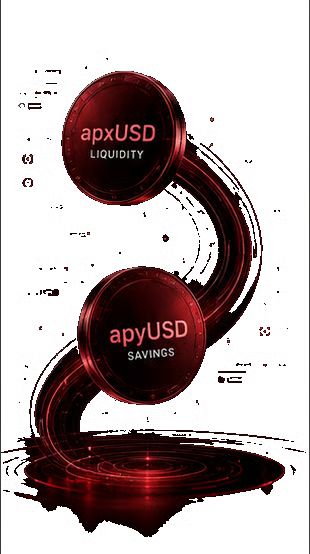
Users can lock apxUSD into Apyx’s permissionless vault and receive apyUSD. Rather than increasing the number of tokens in a user’s wallet, the value of each apyUSD increases relative to apxUSD as yield accumulates.
So you can think about the two assets like this:
apxUSD is the dollar-like liquidity layer.
apyUSD is the savings layer.
The distinction matters because Apyx isn’t trying to make every dollar automatically yield-bearing. It is separating liquidity from savings while connecting the two through its vault system.
And underneath both sits the part that makes the whole model different : Digital Credit.
03 / 09
So What Is Digital Credit?
“Digital Credit” sounds like another crypto term you’ll need explained and rehearsed before breakfast.
But the underlying concept is actually fairly familiar.
Digital Asset Treasuries, or DATs, are publicly listed companies that make digital assets central to their balance sheets. Strategy is the obvious example, while other companies have adopted similar treasury models around assets such as Bitcoin, Ethereum and Solana.
To finance those strategies, DAT companies can issue preferred securities.
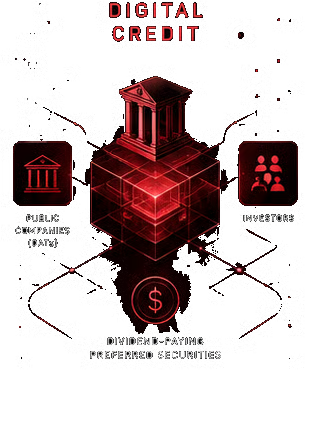
Preferred equity technically remains equity, but economically it can behave somewhat like credit. It can pay a stated dividend, sit ahead of common stock in the capital structure and provide investors with recurring income. Variable-rate perpetual preferreds can also adjust their dividend rates periodically rather than having a conventional maturity date.
That is the financial layer Apyx is calling Digital Credit.
The important part is the cash flow.
These securities can generate actual dividends.
So instead of creating yield entirely through a complicated onchain trade, Apyx is asking a different question:
What if the cash flows generated by this new class of digital-asset financing could become part of DeFi’s savings infrastructure?
That’s where the bridge between TradFi and DeFi starts to make sense.
04 / 09
Why STRC and SATA Matter
Two names keep appearing when you look into Apyx: STRC and SATA.
STRC is Strategy’s variable-rate perpetual preferred stock. SATA is a preferred security issued by Strive, another Digital Asset Treasury company.
These aren’t cryptocurrencies.
They are publicly traded preferred securities.
STRC, for example, is listed on Nasdaq and has a $100 stated amount per share. Its dividend is paid monthly in cash, with the rate adjusted periodically under the security’s structure. Apyx identifies securities such as STRC and SATA as part of the collateral universe supporting its system.

And this is where the model gets interesting.
Traditionally, an investor buys a preferred security through a brokerage, receives the dividend and stays within the traditional financial system.
Apyx is trying to capture the economic output of that security and route it toward an onchain savings product.
The distinction Is important.
Apyx isn’t simply putting a Nasdaq security inside a wallet and calling it DeFi. The preferred shares remain held offchain in custody. Their dividends are collected, converted into apxUSD and transferred into the onchain system for distribution to apyUSD holders.
So STRC and SATA aren’t just collateral names on a dashboard.
They are part of the proposed source of the yield itself.
What comes to one's mind upon understanding this far into Apyx is basically "Wow. They really did think this through, huh".
05 / 09
Why This Could Matter for DeFi
Here’s where the broader argument comes in.
Yield-bearing stablecoins already exist. But a lot of onchain yield ultimately comes from lending demand, trading activity, derivatives, liquidity provision or other market strategies.
Those can work very well.
The question is whether they scale indefinitely.
Apyx’s Digital Credit thesis argues that as more capital enters similar trading and funding strategies, the opportunities can become increasingly competitive. In other words, the more people chase the same yield, the harder it can become to maintain that yield.
Dividend income presents a different starting point.
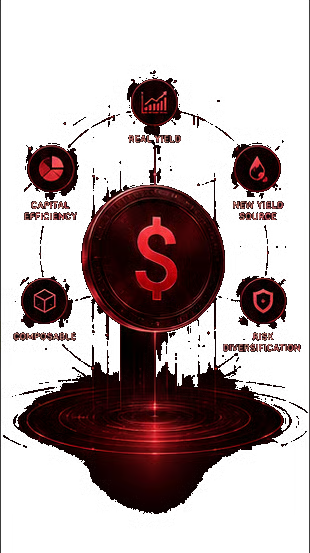
The yield isn’t being created because someone is paying a temporary premium to borrow a token on a DeFi market. It originates from a corporate security that has an explicit dividend structure.
That doesn’t make it risk-free.
Preferred securities carry issuer risk, market risk, liquidity risk and structural risks of their own. STRC, for example, is not legally a $100 stablecoin; its design uses dividend adjustments and other mechanisms intended to encourage trading around its stated value.
But the source of the income is at least identifiable.
There is a security.
There is a dividend.
There is a cash flow.
And Apyx is attempting to turn that cash flow into something programmable onchain.
06 / 09
How Apyx Actually Works
The mechanics become much easier if we follow the money.
First, capital enters the Apyx ecosystem. Approved participants can mint apxUSD, while ordinary users can acquire it through secondary-market liquidity. Apyx currently directs general users toward its Swap interface, where USDC can be exchanged for apxUSD through available liquidity such as the Curve apxUSD/USDC pool.
The protocol’s offchain treasury then allocates capital toward its collateral basket, which currently includes preferred securities such as STRC and SATA alongside other reserve assets.
Those preferred securities generate dividends.
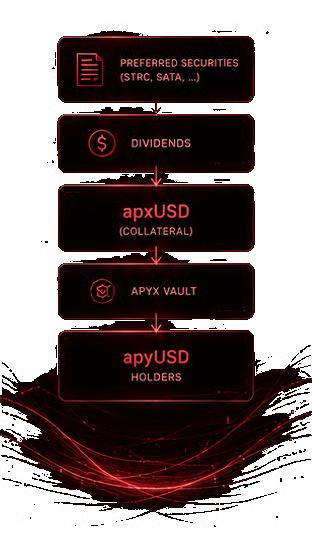
The dividends are collected offchain, converted into apxUSD and transferred to the onchain Apyx vault.
Users who lock apxUSD receive apyUSD.
The vault then distributes the incoming yield gradually rather than paying it out as one large periodic jump. Apyx uses a linear vesting mechanism, so the redemption value of apyUSD increases over time.
There’s another detail worth knowing: Apyx says it does not rehypothecate or lend deposited apxUSD to generate the yield. The intended source of apyUSD yield is the dividend cash flow from the underlying preferred securities.
So the flow is basically:
Preferred securities → dividends → apxUSD → Apyx vault → apyUSD holders.
Simple enough once you see it.
07 / 09
How Users Get Access to Digital Credit
For an ordinary user, you don’t need to go out and buy STRC or SATA yourself.
That’s kind of the point.
The user-facing route begins with apxUSD.
General users can currently acquire apxUSD through Apyx’s dApp by swapping USDC through the available secondary-market liquidity. Direct minting and redemption are permissioned processes intended for approved participants.
Once you have apxUSD, you can go to the Apyx Earn interface and lock it.
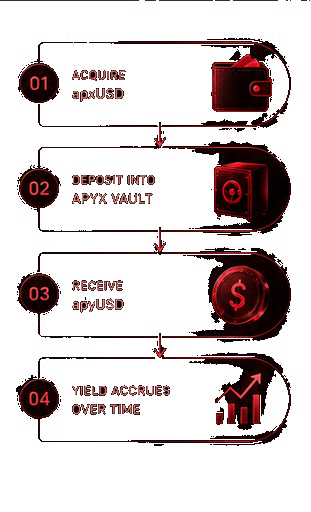
The protocol gives you apyUSD in return.
From there, you don’t need to manually claim dividends every month. Yield accrues through the vault’s increasing exchange rate, meaning your apyUSD becomes redeemable for more apxUSD over time.
There is, however, a trade-off.
Unlocking isnint instant.
Apyx currently uses an approximately 30-day cooldown for redemption. Once an unlock request is submitted, the position enters the cooldown period before the underlying apxUSD becomes available to claim.
So this isn’t really a checking account.
It’s closer to an onchain savings position with a deliberately slower exit.
And that’s something worth understanding before looking at the yield number and getting too excited.
08 / 09
Why Solana Fits the Story
Apyx is currently live on Ethereum, while its documentation says Solana support is coming soon.
That distinction is worth making because Solana is part of the project’s direction, but it shouldn’t be described as an already-live Apyx deployment.
Still, the reasoning behind a Solana expansion is fairly easy to understand.
Apyx is ultimately building financial infrastructure around stablecoins, trading, liquidity and tokenized financial assets. Those applications benefit from fast settlement and relatively low transaction costs.
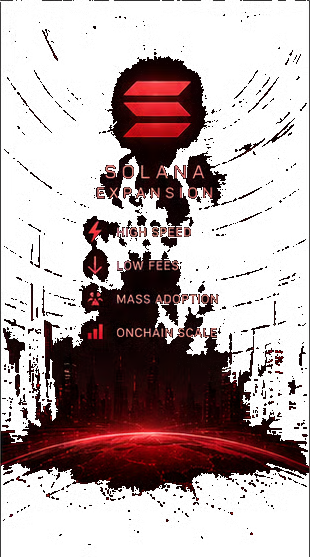
Solana has also become an increasingly important environment for stablecoins and onchain financial activity.
There is an even more direct connection.
Apyx is associated with DeFi Development Corp. (Nasdaq: DFDV), which the project describes as the first Solana-focused Digital Asset Treasury company. That makes Solana more than just another chain to deploy on. It sits directly inside the broader Digital Credit narrative Apyx is building around DATs.
So, if Ethereum represents the protocol’s initial home, Solana looks like a fairly natural next environment.
Not because every project needs a Solana version.
Because, in this case, the ecosystem and the financial thesis already overlap.
09 / 09
The Bigger Bet Behind Apyx
And this is probably the part I find most interesting.
Apyx isn’t really betting that people suddenly want another stablecoin.
It’s betting that the financial activity surrounding digital assets will create an entirely new credit market, and that the income generated by that market can eventually become useful onchain.
Look at the chain of events.
Digital Asset Treasuries acquire digital assets.
They raise capital to finance those strategies.
Preferred securities become part of that capital structure.
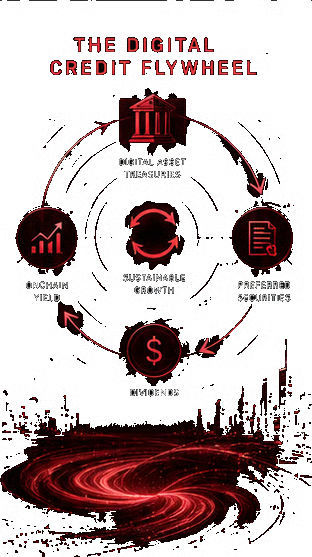
Those preferred securities generate dividends.
Apyx captures those dividend cash flows and turns them into programmable onchain yield.
Users gain access to the resulting savings asset without having to directly purchase or manage the underlying preferred securities.
That’s what Apyx calls the Digital Credit Flywheel.
Now, whether that flywheel actually becomes large enough to matter is still an open question.
The product is young. The collateral model will evolve. Market conditions can change. Preferred issuers can alter their dividend structures. And, like anything touching both traditional finance and DeFi, there are regulatory and operational questions that don’t disappear just because the final asset lives onchain.
But the underlying idea is worth watching.
Because maybe the next stage of DeFi isn’t about inventing another way to trade.
Maybe it’s about connecting the enormous amount of financial activity already happening in traditional markets to programmable money.
That’s essentially the bet Apyx is making.
And if Digital Credit becomes a genuine financial category rather than just another crypto phrase, Apyx could find itself sitting in a rather interesting place: between public-market capital and the next generation of onchain savings.